


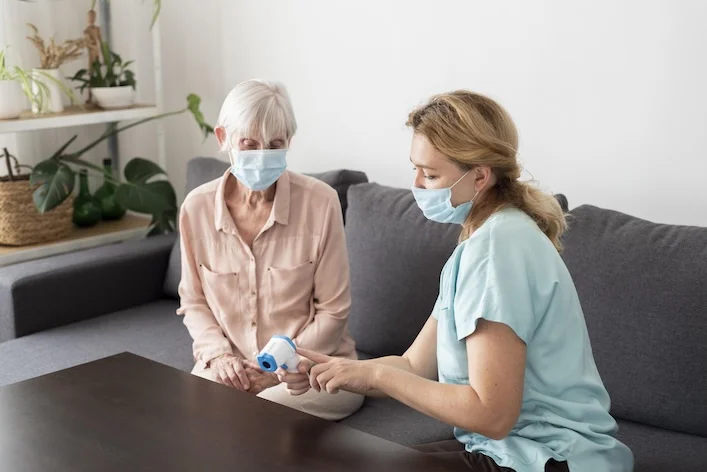
Arizona summers are intense, with temperatures frequently climbing well above 100 degrees. For older adults, prolonged exposure to extreme heat can quickly lead to dehydration, heat exhaustion, or heat stroke. Aging affects how the body regulates temperature, and many seniors take medications that increase sensitivity to heat. Families often worry about parents who live alone during peak summer months. How can loved ones remain safe at home when the heat index continues to rise? Conversations around senior heat safety Arizona households are having each year highlight the need for proactive planning. The good news is that practical daily support can greatly reduce risk.
Why Seniors Face Higher Heat Risks
Older adults are more vulnerable to heat-related illness for several reasons:
- Reduced ability to regulate body temperature
- Chronic health conditions such as heart disease or diabetes
- Medications that affect hydration or sweating
- Limited mobility that restricts access to cooling areas
Warning signs of heat exhaustion include dizziness, nausea, confusion, rapid pulse, and excessive sweating. Heat stroke, a medical emergency, may present with high body temperature, confusion, or fainting. Early recognition can prevent hospitalization.
Preventive Steps That Make a Difference
Families researching heat stroke prevention elderly AZ often find that small daily adjustments at home can greatly reduce risk during extreme temperatures. Simple daily habits can lower the chance of heat-related illness:
- Encouraging regular hydration, even without thirst
- Keeping indoor temperatures consistently cool
- Using lightweight, breathable clothing
- Avoiding outdoor activity during peak afternoon heat
- Monitoring medication schedules that affect fluid balance
Consistency matters. Seniors living alone may forget to drink fluids or delay adjusting the thermostat, which increases risk during extended heat waves.
How In-Home Caregivers Support Summer Safety
In-home caregivers provide structured support that protects seniors throughout the hottest months. Their responsibilities often include:
- Preparing hydrating meals and beverages
- Monitoring fluid intake
- Checking indoor temperatures and air conditioning function
- Observing physical or behavioral changes
- Coordinating with family members if warning signs appear
Regular supervision offers reassurance. A caregiver can notice subtle symptoms early, allowing intervention before a medical emergency develops.
Building a Safe Summer Plan at Home
Families benefit from discussing a summer safety plan before extreme temperatures arrive. This may involve reviewing emergency contacts, scheduling check-in visits, and assessing home cooling systems. A proactive approach helps maintain comfort and independence while reducing health risks.
If you are concerned about the senior heat safety Arizona residents face each summer, ICOA In-Home Care of Arizona provides dependable in-home support to help older adults remain protected during extreme temperatures.
Proudly serving Scottsdale, Mesa, Chandler, Gilbert, Phoenix, and the surrounding areas in Maricopa and Pinal Counties, their caregivers assist with hydration monitoring, daily supervision, and safety planning. Contact us today to learn how professional in-home services can help safeguard your loved one’s health throughout the summer season.